
Tawāliʿ al-Anwār
The Tawāliʿ al-Anwār min Maṭāliʿ al-Anẓār, written by Qāḍī Bayḍāwī (d. 685/1286), has held an important place in the Ottoman theological tradition and the madrasa curriculum. Composed by drawing on the methods and contents of later theologians (mutakallimūn) such as Fakhr al-Dīn al-Rāzī (d. 606/1210) and Sayf al-Dīn al-Āmidī (d. 631/1233), the work exerted a profound influence on theological thought not only during the author’s lifetime but also in subsequent centuries. The extensive tradition of commentaries (shurūḥ) and glosses (ḥawāshī) that developed around the Tawāliʿ al-Anwār clearly demonstrates its central position and enduring influence within our scholarly heritage.
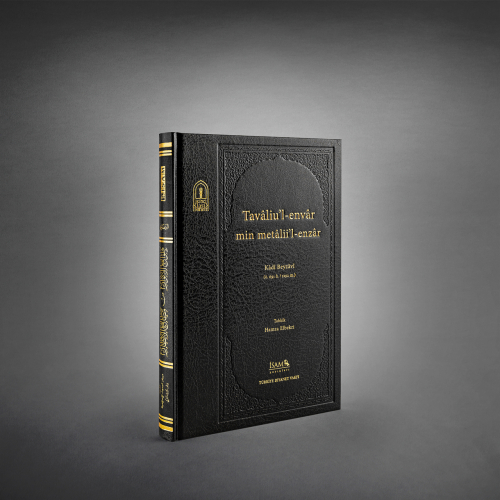
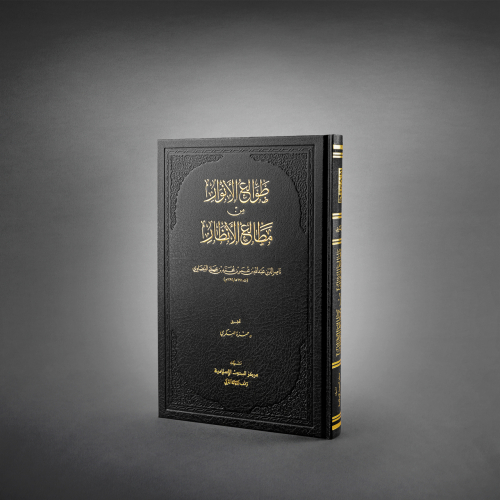
Qāḍī Bayḍāwī’s theological work, Tawāliʿ al-Anwār, has been newly critically edited by Hamza al-Bakrī as part of a project he is currently undertaking. In the course of the critical edition, six principal manuscript copies were selected from among more than forty manuscripts, based on criteria such as their proximity to the author’s lifetime, their affiliation with different manuscript families, and the quality of their contents. Conducted in accordance with İSAM’s Principles for Critical Editions, this study includes not only a critical edition of the text but also a comprehensive dirāsa (study) examining information about the author’s life and works, as well as the work’s contents, sources, methodology, manuscripts consulted, and the method followed throughout the critical-editing process.
Published within the framework of İSAM’s Second Classical Period Project, this important study constitutes the first publication of a wide-ranging project aimed at producing critical editions of the Tawāliʿ al-Anwār and the commentaries and glosses written on it. Through this project, it is hoped that the Tawāliʿ al-Anwār and the related gloss literature—which have thus far received insufficient scholarly attention and have been largely neglected—will bring renewed momentum to academic research in the field of Islamic theology (kalām).
Click to buy.